
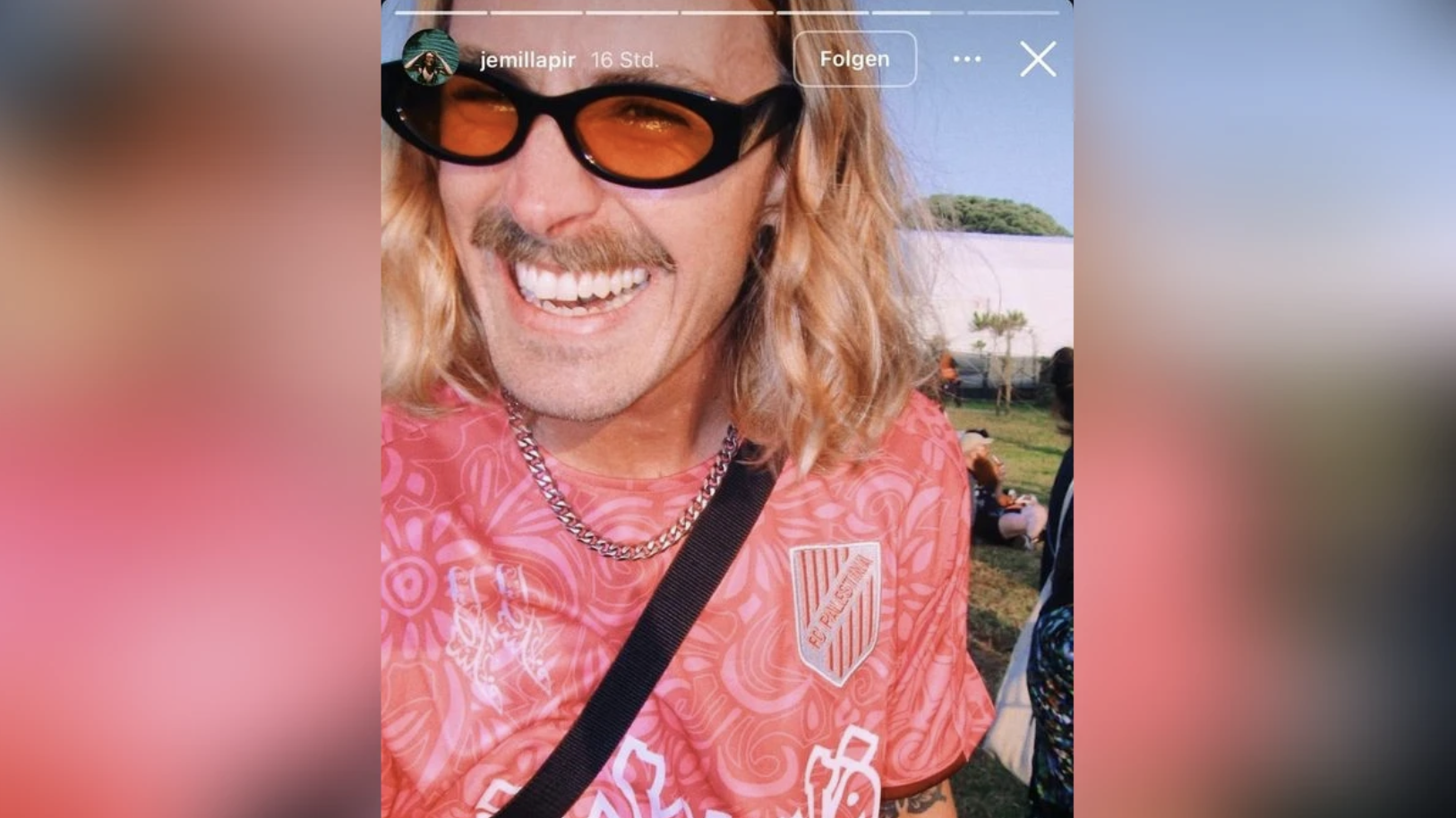
A single social media post by FC St. Pauli’s captain Jackson Irvine sparked weeks of debate – among fans, sponsors, the club’s management, and the media. The case raises a broader question that many football clubs and corporations alike struggle to answer: How should organisations deal with employees who publicly express political opinions and cross an (imaginary) line?
Last week, I had the pleasure of joining the Hamburger Abendblatt’s #MillernTalk podcast, hosted by two sports reporters, Rupert Fabig and Maximilian Bronner, to discuss a topic that sits at the intersection of sports, communication, and reputation management:
How do you handle players (or employees) who express controversial – though not extremist – political views on social media?
The conversation was sparked by a recent case involving Jackson Irvine, a key player of the German football club FC St. Pauli, a team known for its politically active and socially conscious fan base.
Back in June, Irvine had posted a selfie wearing the jersey of a fictional “FC Palestine” – featuring a logo that displayed the borders of the State of Palestine, including the territory of Israel.
What followed was a communications firestorm. Fan groups, club members, sponsors, media outlets, and even Irvine’s wife entered the debate. An apology got lukewarm, causing more noise. A member of the Board of FC St. Pauli posted an inappropriate comment on Irvine’s Instagram account. The story smoulders for weeks and month and goes beyond a single social post – becoming what crisis professionals call a “sticky crisis”: one that is emotionally charged, polarising, and just doesn’t go away.
Two key takeaways from the podcast:
1️⃣ Hope is not a strategy.
Most football clubs – and, frankly, most companies – are not prepared for such cases. They sit and wait, relying on the assumption that “it won’t happen to us” until it does.
But in today’s environment, where personal expression and corporate identity often collide, every organisation needs a clear playbook for how to respond when an employee’s personal post becomes a public issue and crosses a red line.
2️⃣ Silence shrinks your room for manoeuvre.
In crises like these, timing is critical. The longer an organisation waits to address a smouldering controversy, the fewer viable options remain.
What could have been handled calmly early on may later demand a defensive, reactive stance – which rarely satisfies anyone.
What next for FC St. Pauli?
Eventually, this specific controversy will fade. But simply “moving on” would be the wrong lesson.
For a club like St. Pauli – with a strong identity rooted in social awareness – this case offers a valuable opportunity to reflect and prepare:
to define clearer internal guidelines, train spokespeople, and anticipate how such debates fit within the club’s broader values and communication principles.
Because, as this case shows, values only hold up under pressure when they are lived and communicated consistently.
Leave a Reply