
In a world where communication is becoming increasingly fast-paced, artificial intelligence (AI) is playing an increasingly important role, even in times of crisis.
Corporations, public authorities and organisations are under enormous pressure to communicate quickly and accurately in critical situations. AI can help here – how tempting! But application of AI does not come without risks.
Let’s stay positive for now and look at the opportunities AI offers us:
Some areas of application for AI in crisis communication
- Simulations
Complex simulations can be created much more easily with the help of AI. The creation of content, the simulation of enquiries and the development of entire storyboards are already possible today. Specialised companies such as Conductrr combine AI-based content with “real” experience in creating and executing crisis drills. - Monitoring and early detection
AI-supported tools analyse social media, news portals and forums in real time. They summarise moods, trends and potential crisis hotspots. This allows changes in the situation to be identified at an early stage. Companies can then react more quickly before a crisis escalates. Especially when the internet is “exploding” again, AI tools filter the essential content from the background noise. - Automated communication
Chatbots and automated response systems can answer simple questions or provide information in the initial phase of a crisis. This takes the pressure off human teams and ensures that important information is available around the clock. Users of these systems should always be aware that they are communicating with an AI tool. - Text creation and optimisation
AI tools help to quickly formulate press releases, social media posts or internal memos. They can suggest wording, simplify texts or adapt them to target groups. This saves time, especially in hectic crisis situations. However, as in all other areas of AI-powered text creation, the better the prompt, the better the output. - Data analysis for decision-making
AI can evaluate large amounts of data to provide decision-makers with well-founded information: How is public opinion developing? Which channels work best? This allows communication strategies to be tailored accordingly.
This brings us to the risks and side effects – in other words, the package insert for this article. What should you watch out for?
Risks and challenges
- Misinterpretations: AI systems can misinterpret moods or contexts, especially when language is ambiguous or irony is involved.
- Loss of credibility: Fully automated responses often come across as impersonal in crises. In emotionally charged situations in particular, people expect empathy – something that machines cannot provide. Not yet, at least.
- Distorted database: If AI works with incorrect or unbalanced data, it can make wrong recommendations – in the worst case, this can exacerbate the crisis.
- Dependence on technology: Those who rely too heavily on AI risk overlooking important human judgements.
- Group thinking, or no thinking at all: A key characteristic of strong crisis teams is that many opinions are heard, including the quiet voices. Those who leave the thinking to AI risk a crisis within a crisis because the company’s response is inappropriate.
So here, too, it is important to note that without human expertise, without the right mindset and the value system of the company, which is currently in crisis, it will not work. AI alone in a crisis? Never!
Where is the journey headed?
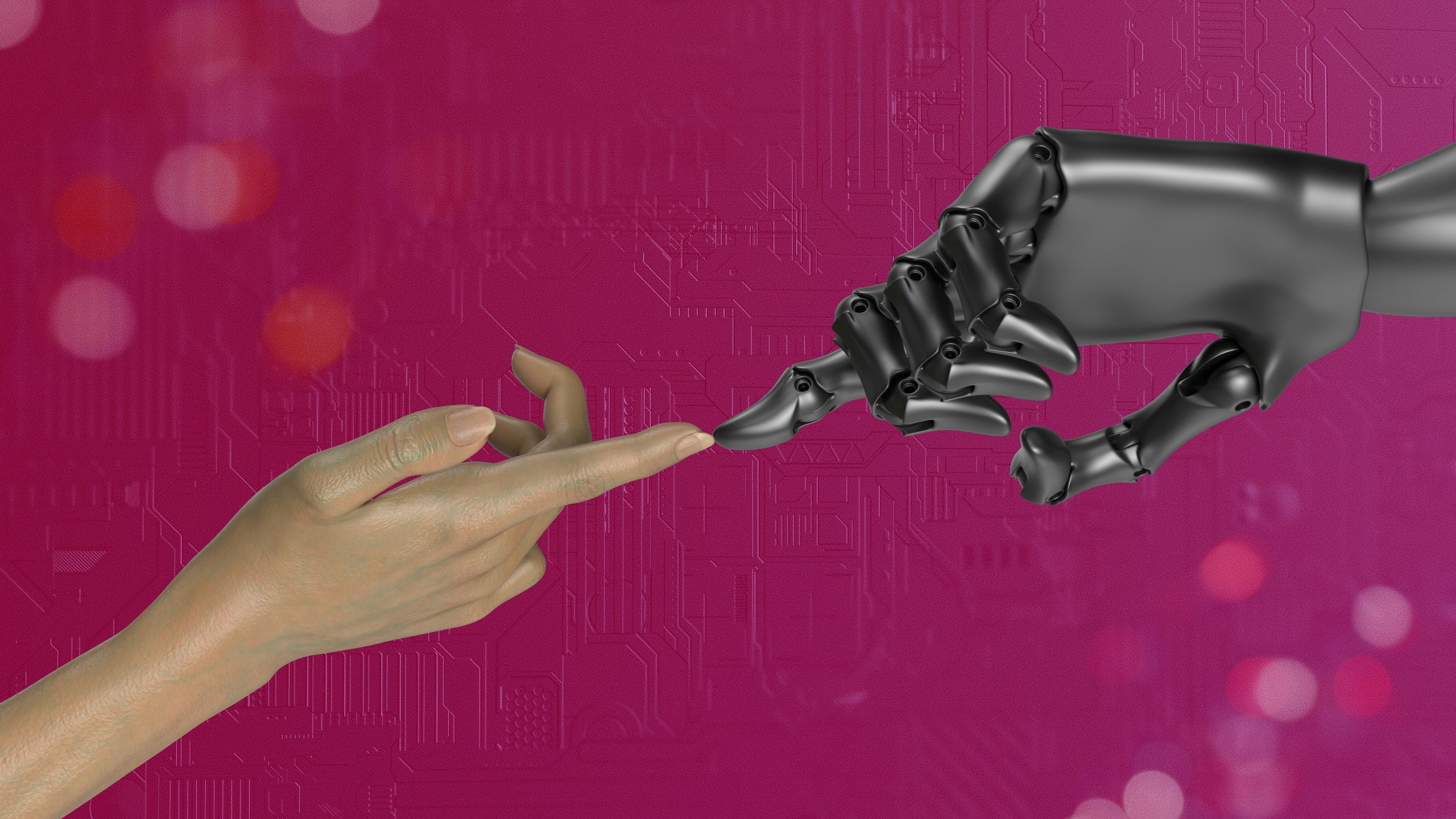
The future lies in the intelligent combination of humans and machines. AI can provide analyses, take on routine tasks and help maintain an overview more quickly. But in crisis communication in particular, the human component remains crucial: As of July 2025, no algorithm can replace tact, empathy and the ability to take responsibility.
We are already seeing AI-supported assistants advising crisis teams in real time, similar to a co-pilot. But control remains in human hands.
In the future, AI assistance will be part of the standard toolset of each crisis team, just like fax machines, telephones and whiteboards not so long ago.
Leave a Reply